San Joaquin County leaders are moving forward with a proposed ordinance aimed at cracking down on catalytic converter theft, a crime that has frustrated vehicle owners, law enforcement, and prosecutors across the region for years.
San Joaquin County leaders are moving forward with a proposed ordinance aimed at cracking down on catalytic converter theft, a crime that has frustrated vehicle owners, law enforcement, and prosecutors across the region for years.
The San Joaquin County Board of Supervisors voted on Tuesday, April 28, 2026, to move ahead with drafting an ordinance that would make it illegal to possess a detached catalytic converter without proof of lawful ownership. The proposal still needs to be formally written and brought back to the Board for final approval.
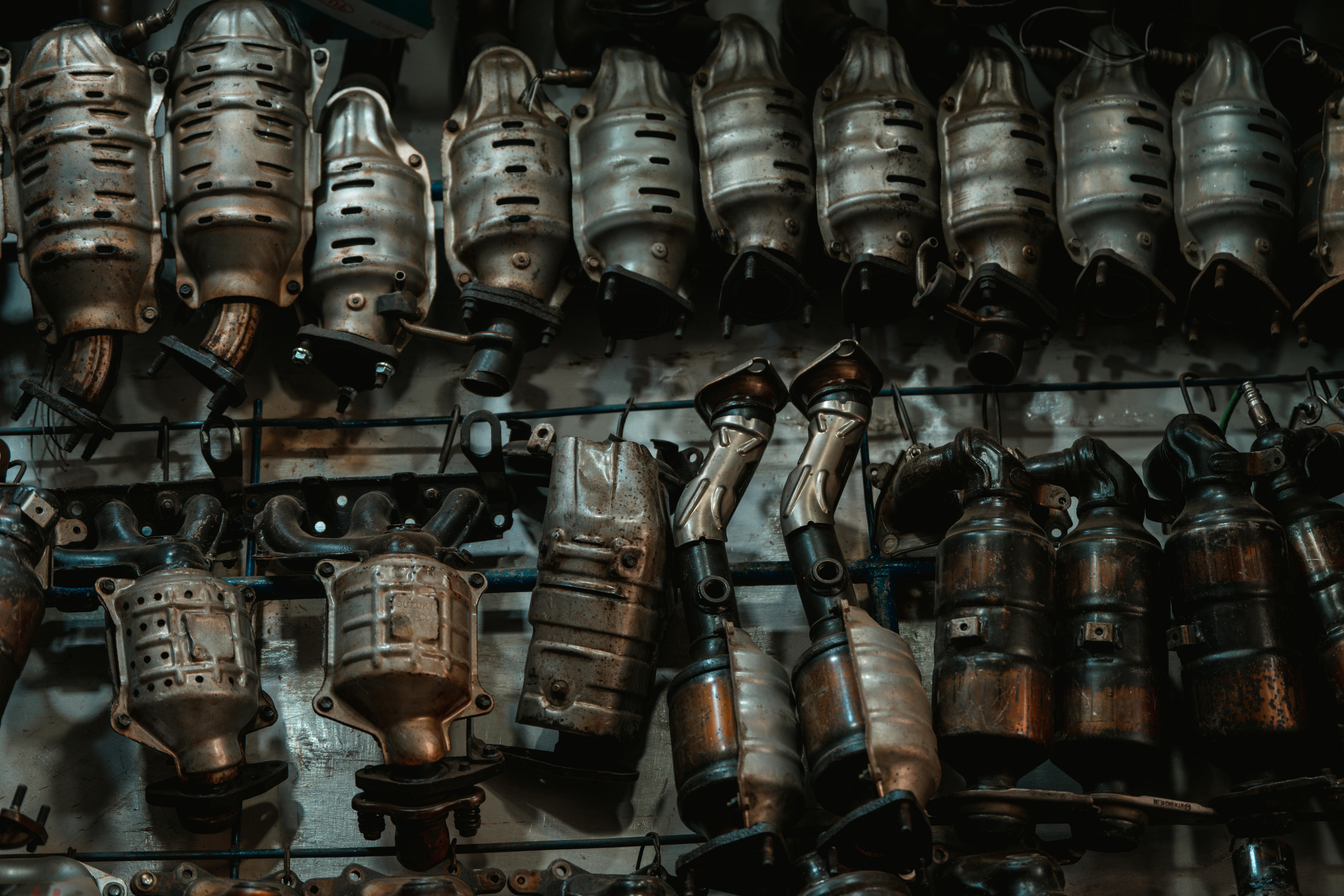
Catalytic converters, which are part of a vehicle’s exhaust system, have long been targeted by thieves because they contain valuable metals that can be resold. For victims, the theft can leave a vehicle undrivable and result in repair bills that can climb into the thousands of dollars.
According to reports presented to county leaders, more than 3,500 stolen catalytic converters have been recovered across San Joaquin County over the past five years, including in Stockton, Lodi, and other communities. Sheriff’s officials have also said nearly 4,400 people in the county have reported catalytic converter thefts during that same general period, with 137 reported thefts so far in 2026.
County officials say the proposed ordinance is intended to close a gap that has made these cases difficult to prosecute. Law enforcement may find a person in possession of multiple detached catalytic converters, but once the parts are cut from vehicles, it can be difficult to prove exactly which vehicle each converter came from.
San Joaquin County Sheriff Patrick Withrow has said officers have encountered vehicles carrying five, 10, 15, or even 20 catalytic converters, but without being able to connect the parts to a specific stolen vehicle, prosecutors may not have enough evidence to file a traditional stolen property case.
Under the proposed ordinance, possession of a detached catalytic converter without documentation — such as a receipt, business record, or paperwork tied to the vehicle it came from — could become a misdemeanor. Reports indicate penalties could include fines and possible jail time, though the final language will depend on the ordinance that returns to the Board for approval.
The proposal is expected to include penalties for unlawful possession of a detached catalytic converter. Draft discussions have included a possible fine of up to $1,000, jail time, or both, along with enhanced penalties for repeat violations and administrative penalties that could increase for multiple offenses within a 36-month period.
The proposal also includes discussion of creating a fund from collected fines that could potentially assist residents with repair costs. That detail would also need to be finalized as part of the ordinance process.
Supervisor Steven Ding, who advanced the proposal, has said catalytic converter theft affects working families, truck drivers, warehouse and logistics employees, small business owners, agricultural workers, and others who depend on their vehicles every day.
For many residents, a stolen catalytic converter is more than an inconvenience. It can mean missing work, losing income, scrambling for transportation, or facing a repair bill they may not be prepared to pay.
The issue is especially concerning in communities where residents commute long distances for work or rely on personal vehicles for school drop-offs, medical appointments, business operations, and daily errands.
County officials say the proposed ordinance would give deputies and prosecutors another tool to target those found with detached catalytic converters who cannot show a legitimate reason for having them.
California has already passed laws aimed at catalytic converter theft, including legislation dealing with sellers, recyclers, VIN marking, and automobile dismantlers. Assembly Bill 641, signed in 2023, expanded state law involving automobile dismantlers and possession of nine or more used catalytic converters cut from vehicles.
San Joaquin County’s proposal would go further at the local level by focusing on possession of even a single detached catalytic converter when the person cannot provide proof of lawful ownership. Similar local approaches have been pursued in other California counties, including Riverside, San Bernardino, Ventura, Kern, Fresno, Kings, and Orange counties.
Residents can reduce their risk by parking in well-lit areas, using garages when possible, installing anti-theft shields or cages, and asking a qualified shop about marking or engraving identifying information on the converter.
Anyone who sees suspicious activity around parked vehicles, especially late at night or in parking lots, should contact local law enforcement. Vehicle owners who discover a missing catalytic converter should file a police report and contact their insurance provider.
The ordinance is not final yet. County staff must draft the measure and bring it back to the Board of Supervisors for consideration before it can take effect.